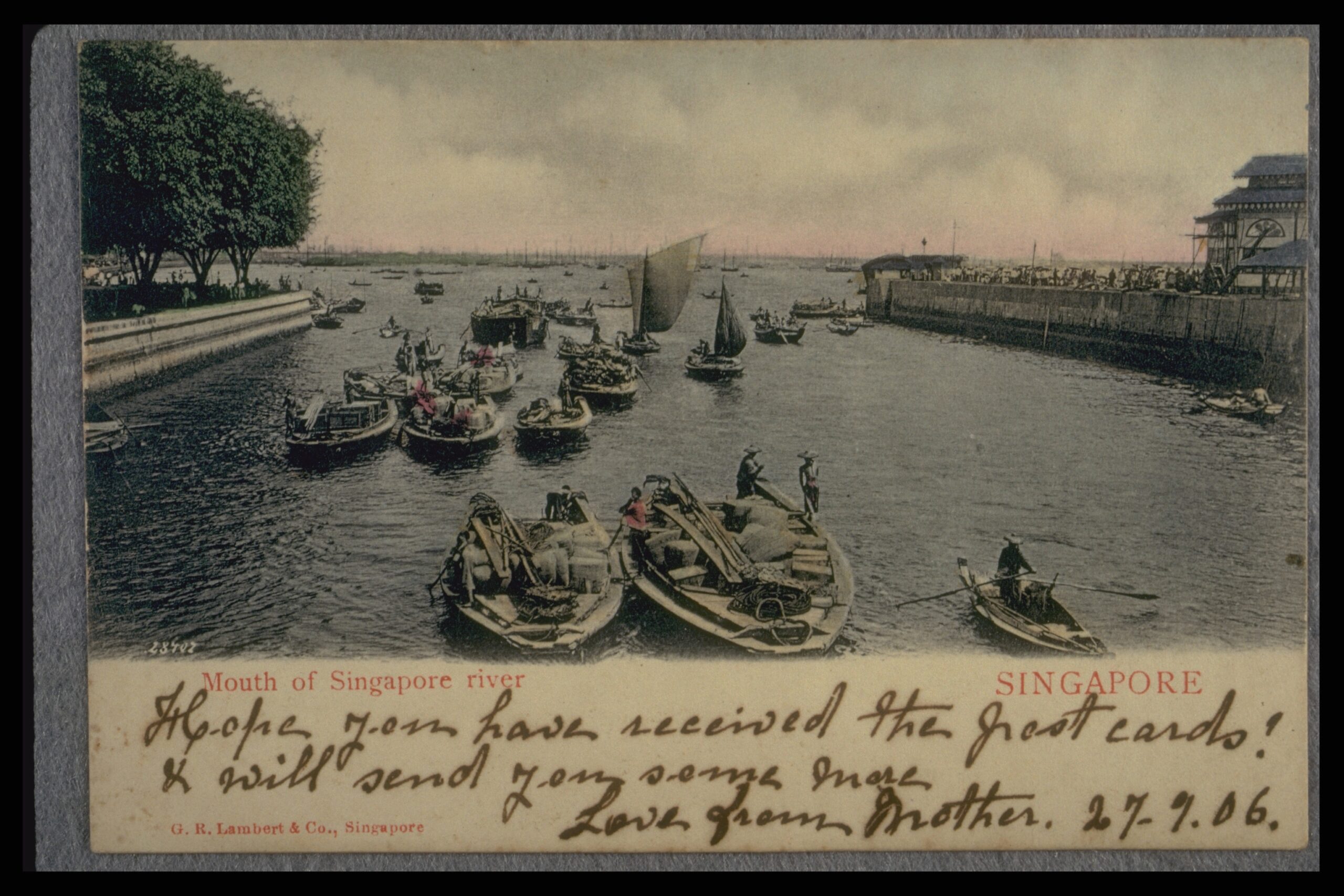
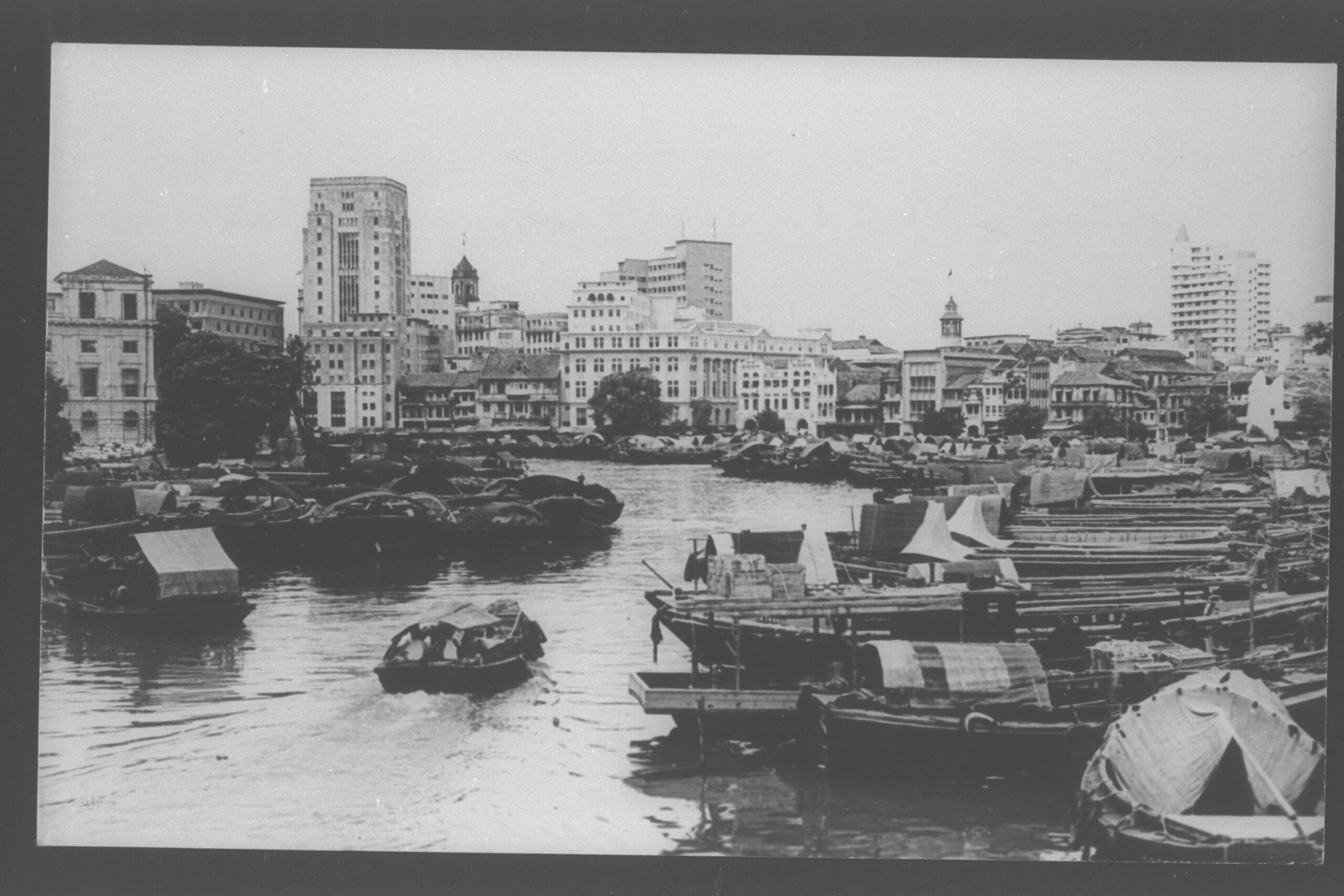
The mouth of the Singapore River in 1906 where the river meets the sea
Our Singapore River
Today the Singapore River is a lifestyle hub with restaurants and pubs. Or you could go for a river ride on one of the bumboats on the river. But many years ago, the river looked, sounded (and smelled) very different ... when it was an important trading port for the region and the world.
Hi, I’m Aloysius
I have wonderful adventures with my Grandpa. He took me back in time … to when he was a boy like me. Come! Join me for a walk along the river.

The River and the Sea
Grandpa said if I were a bird and looked from on high, it would look like there were two parts of the river. He says they used to call them the Inner Harbour and the Outer Harbour.
The Outer Harbour referred to the sea. The ships were too big to fit on the river and anchored in the open seas. The small boats sailed out to them to unload the cargo and brought them into the warehouses by the bank of the river.
The River served as an Inner Harbour. It is four metres deep on average, too shallow for the big ships to sail on. The river mouth was also too narrow for the ships to pass through. Only the small boats could enter and sail on the river.
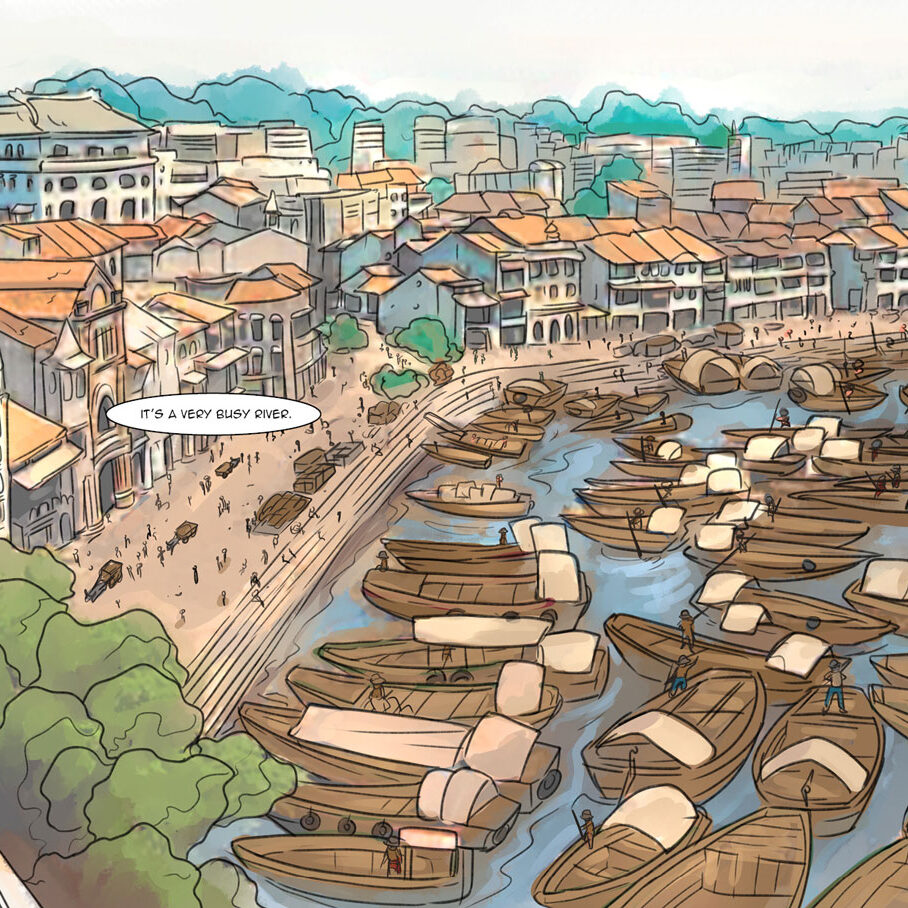
It was a very busy river

By the turn of the century, three-quarters of all trade passing though Singapore was conducted by the mouth of the river, where today's Boat Quay is. It was the boatmen on their small bumboats who ferried the cargo from the big ships in the open seas to the warehouses by the river, and vice-versa. They have been called the forgotten workhorses of the river.

The boats were a critical link between the river and the sea
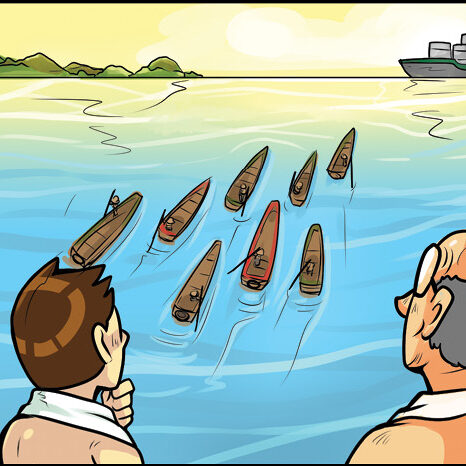
When a ship was sighted, the boatmen jumped on their boats and sailed out to greet it. The sailors were happy to greet the boatmen as they had been out at sea for months.
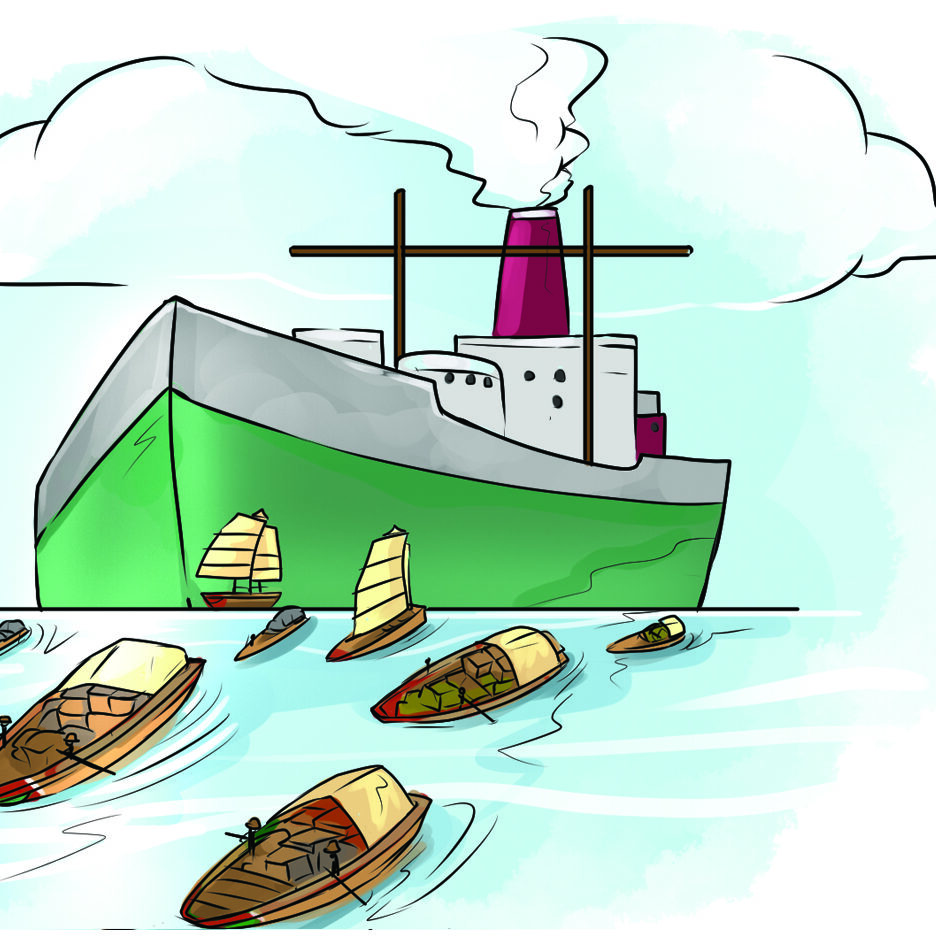
Parked next to the big ships, the boatmen would start unloading the cargo which have come from as far away as China, India, Arabia and Europe.
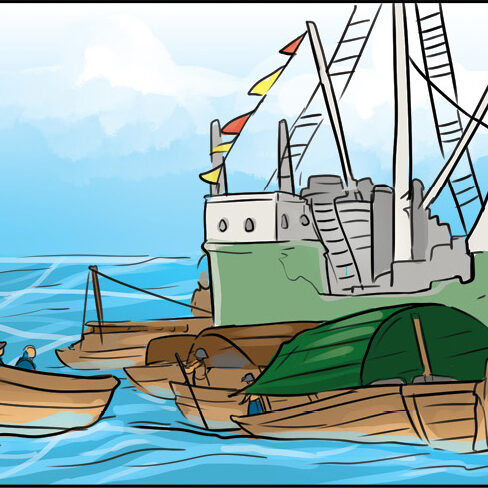
It was not an easy job, even dangerous, as the currents rocked the boats, causing them to knock against the large ships. One could easily lose body and limb.
The boatmen punted the boats up and down the river
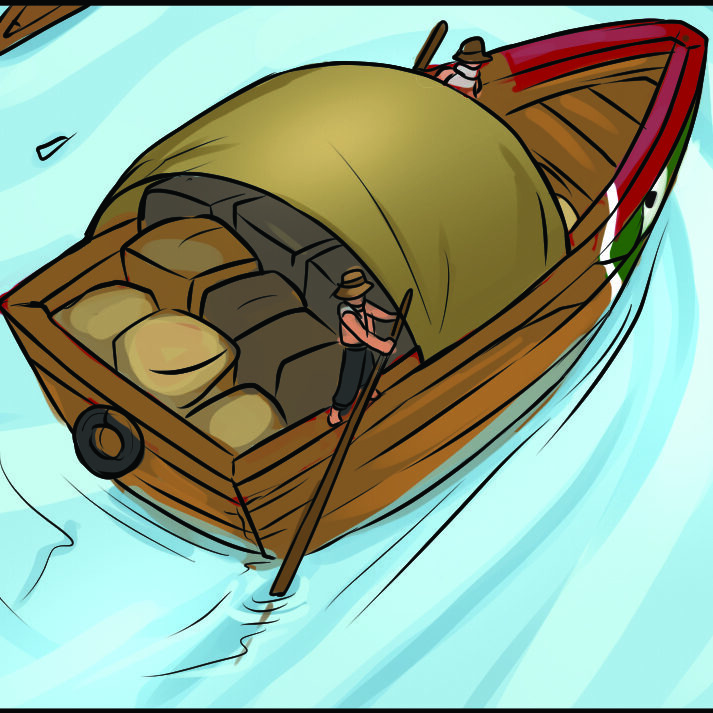
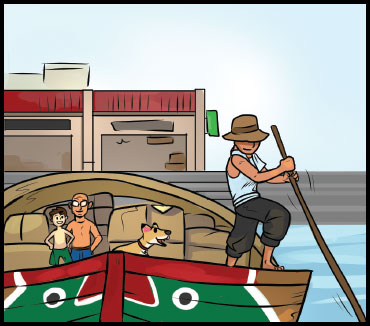
Once the cargo was loaded, the small boats turned around and headed back onto the river. They were careful to stack the cargo carefully so it would not tip and fall into the water.

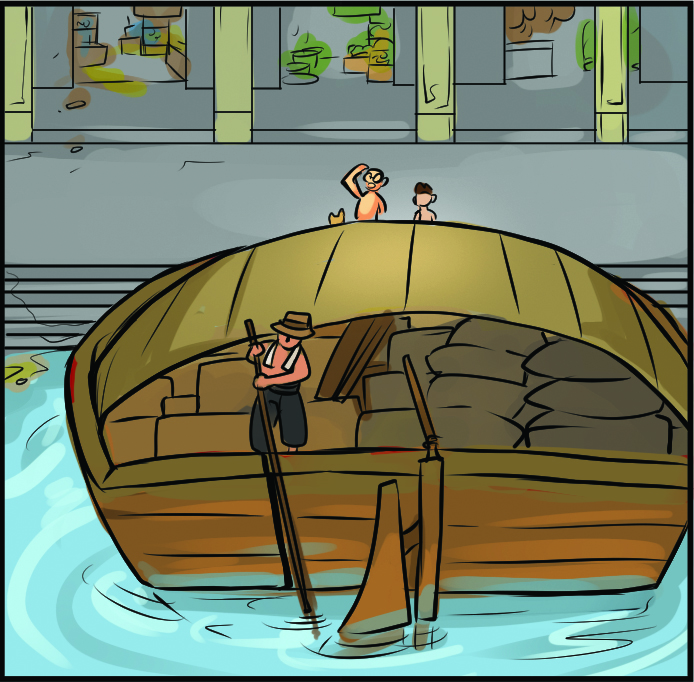
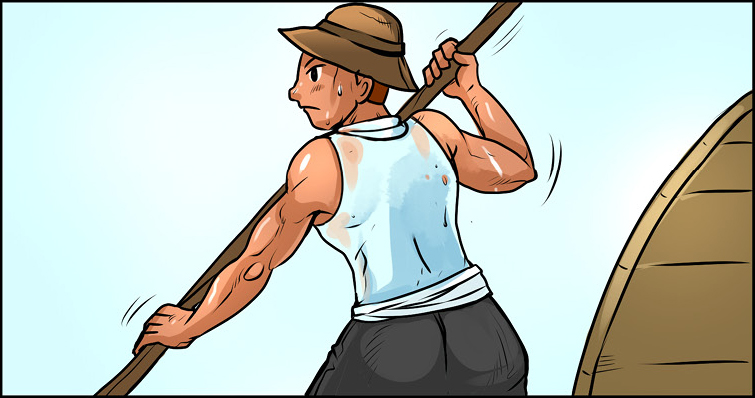
Before the boats were motorised, the boatmen moved the boats by pushing long sticks into the river bed, and then moving the boat along using their body strength. It was very hard work.
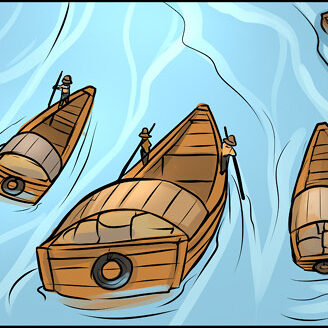
The river was very crowded, with many bumboats on it. The boatmen had to navigate carefully within the narrow waterway to avoid collision with the other boats. They had to be very skilful!
There were so many bumboats on the river
The coolies carried the cargo into the warehouses
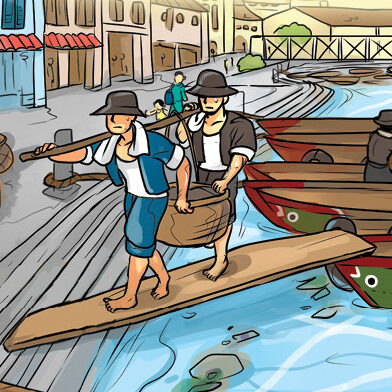
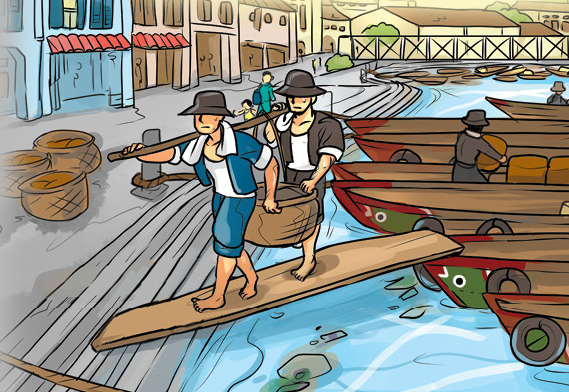
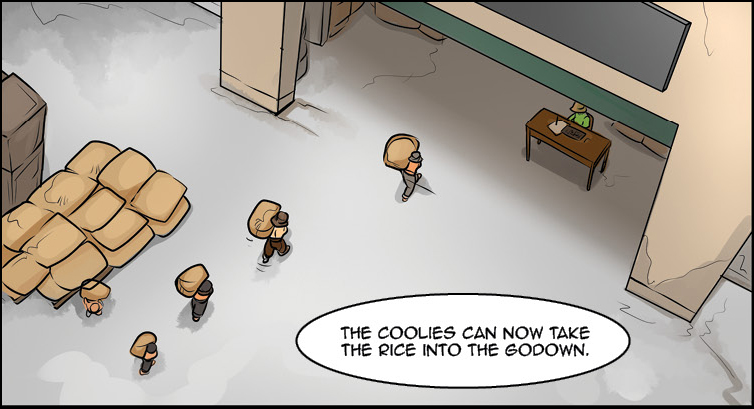
When the boats arrived, the boatmen placed planks from the boats to the steps by the river bank. Coolies worked quickly to bring the cargo into the warehouses.
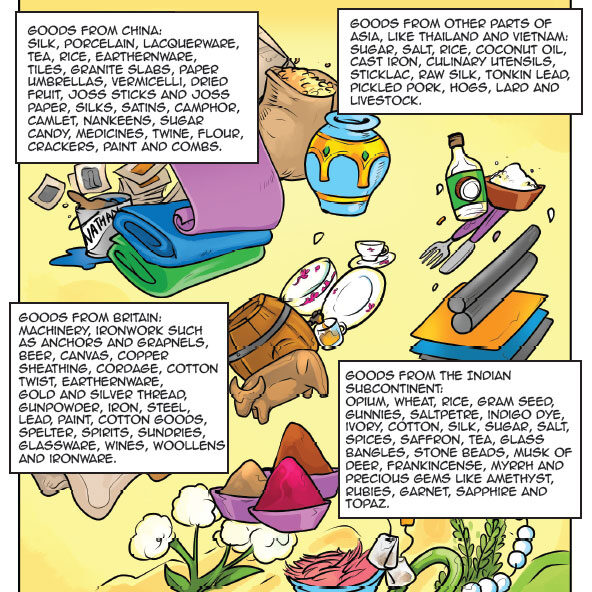
A great variety of goods came from all over the world. They included rice, silk, camphor. The variety was so vast Singapore was called "the emporium of the east".
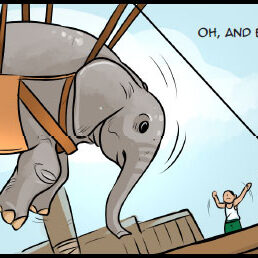
Sometimes, exotic animals also passed through our port. There were peacocks, birds and hawksbill turtles. And elephants too! What a sight it must have been!

See what the river was like in this 1938 video
See how the boatmen punted their boats using only long narrow poles, and marvel at their strength.
See how narrow the waterway was, and marvel at their skill in avoiding accidents.
See the coolies running across the narrow and shaky planks and marvel at how agile and brave they were.
Look at different types of cargo and marvel at the range of goods that came through the port.
Most of all, marvel at how busy and lively and full of life the river was!
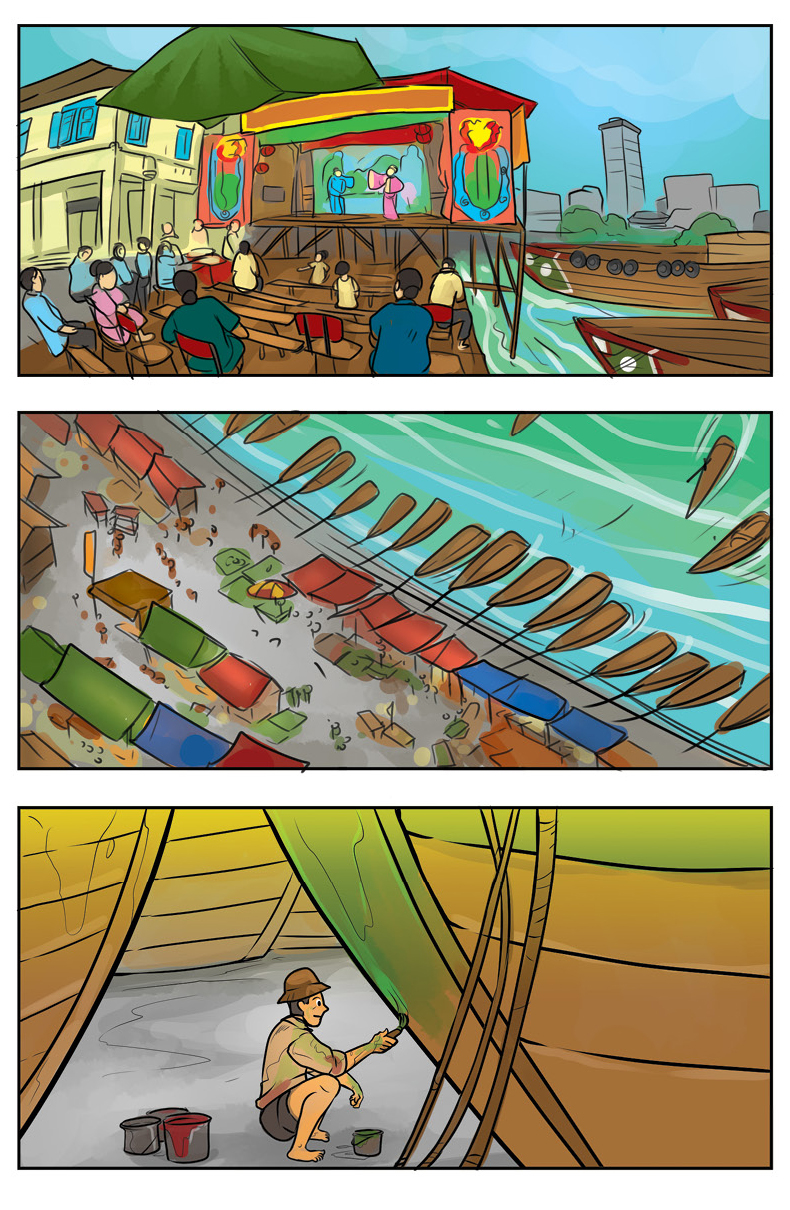
Merchants conducted their trade at the warehouses
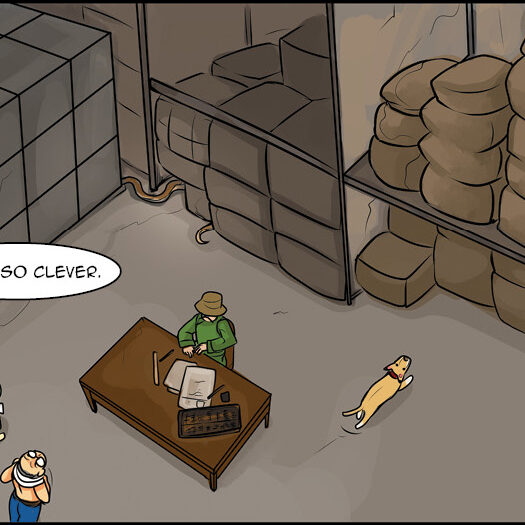
The warehouses were also called godowns. They were large with high ceilings to be able to hold a lot of goods.
As they stored edibles like rice and seeds, the merchants often kept pythons in the warehouses to keep rats and other pests away.

You can still see many of the warehouses by the river today though many of them have become restaurants, hotels, art venues, etc.
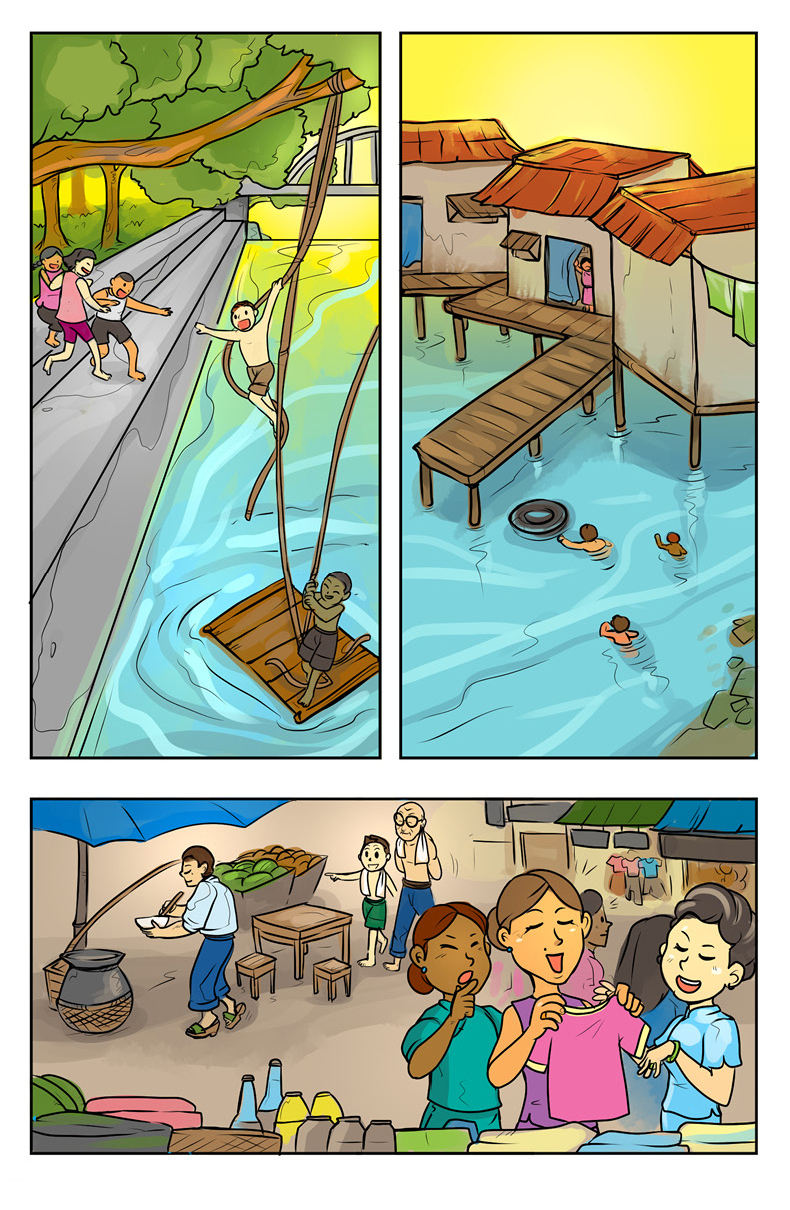
Many lived by the river
The river grew in importance
The ships and merchants came. In the first two years after it was established as a free port, almost 3,000 vessels carrying 200,000 tonnes of cargo passed through the port. The river was so busy, it looked like it was covered by a carpet of boats. In its heyday, it was said there were more than 3,000 boats going up and down the river.
The river also attracted people hoping to make their fortune. They came from China, India, the neighbouring islands, and from faraway countries like India, Europe and the Middle East.
The banks of the river became more crowded as more offices, shophouses and warehouses were built. The town expanded beyond the areas around the River.
Singapore as a country grew from the river.

The River continued to be the centre of trade, the lifeblood of the nation.
Over time, as the volume grew too much to handle, and with the development of technology, trading activity moved to Keppel Harbour and will, in the future, move to Tuas Mega Port.

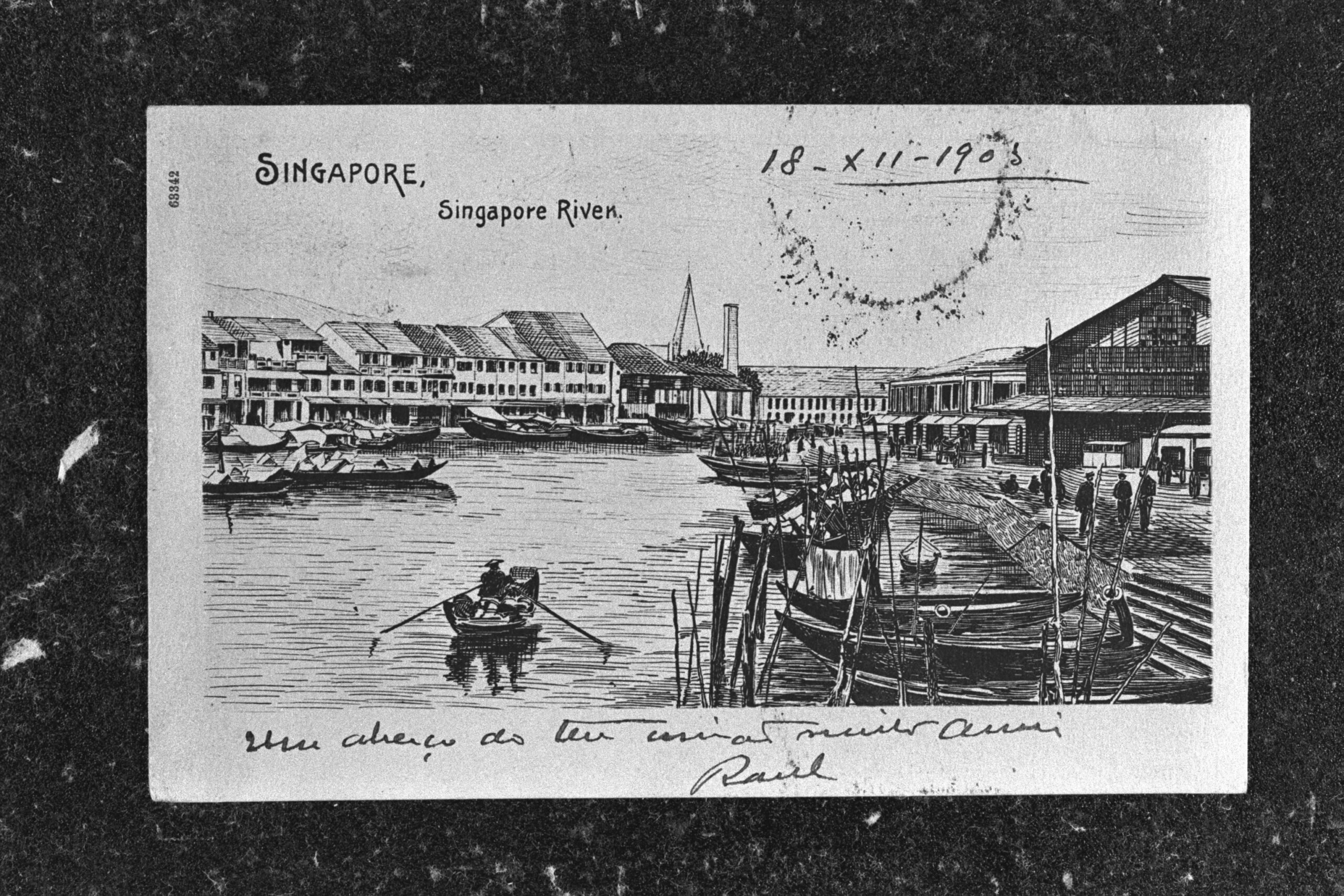


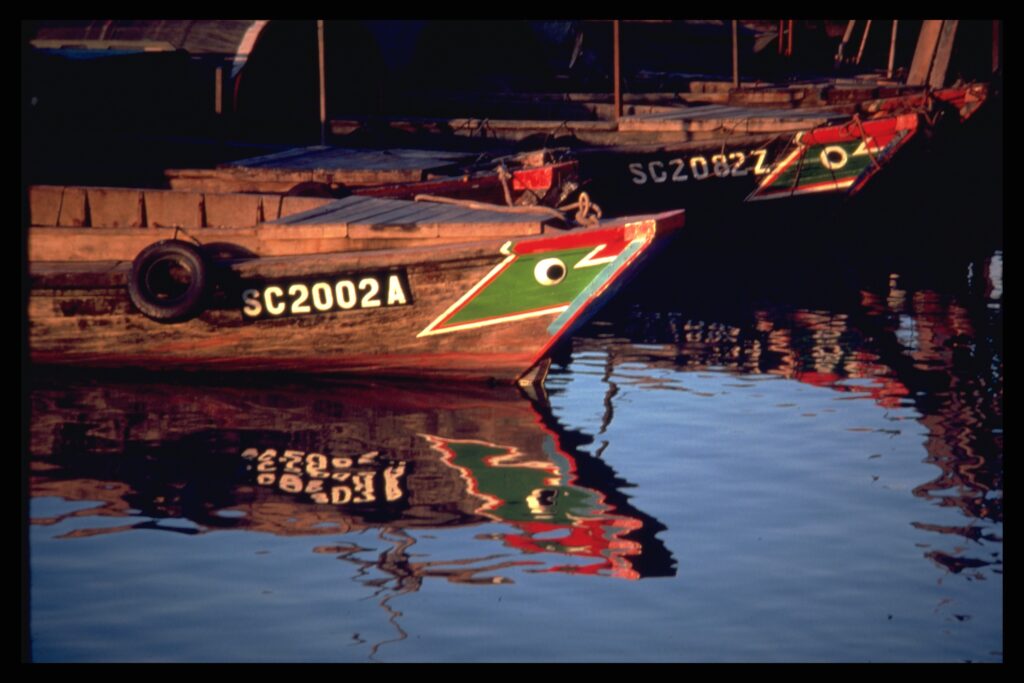


1977 marked a close to this chapter of the River’s life. The government started to clean up the River. Bumboats which had plied the River for over 150 years, and squatters who had made their homes along the River, were resettled.
The clean-up would take many years.
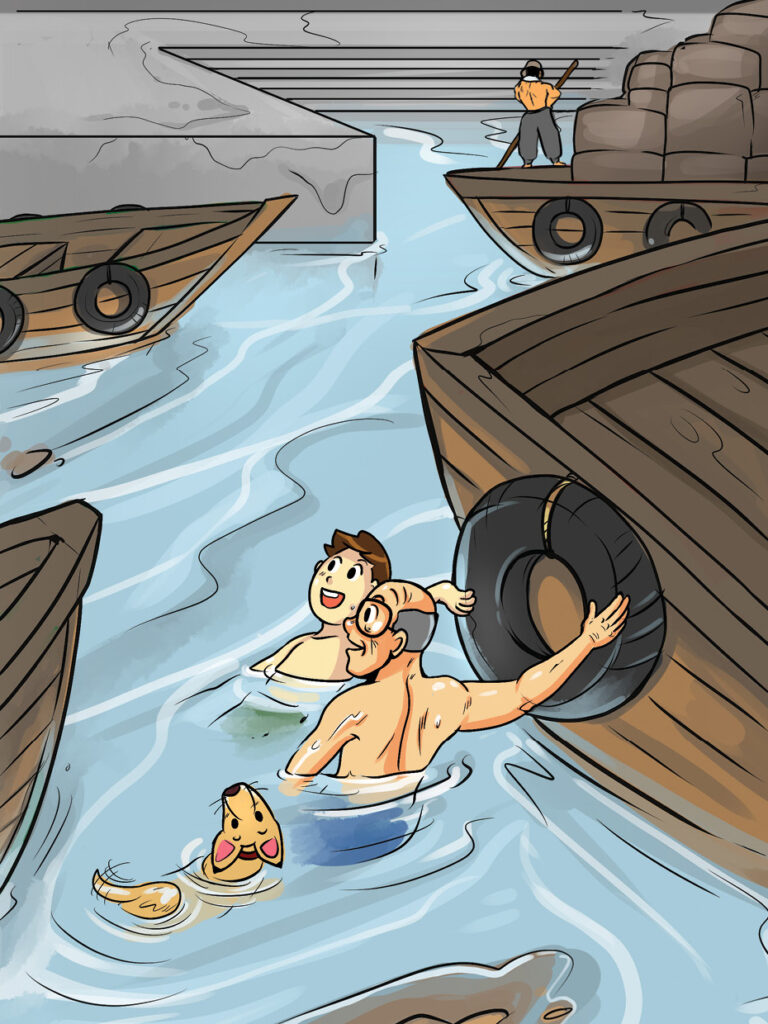
In 1984, 400 people jumped into the river for a mass swim, signalling a new chapter in its life.
Here are more videos of an older Singapore
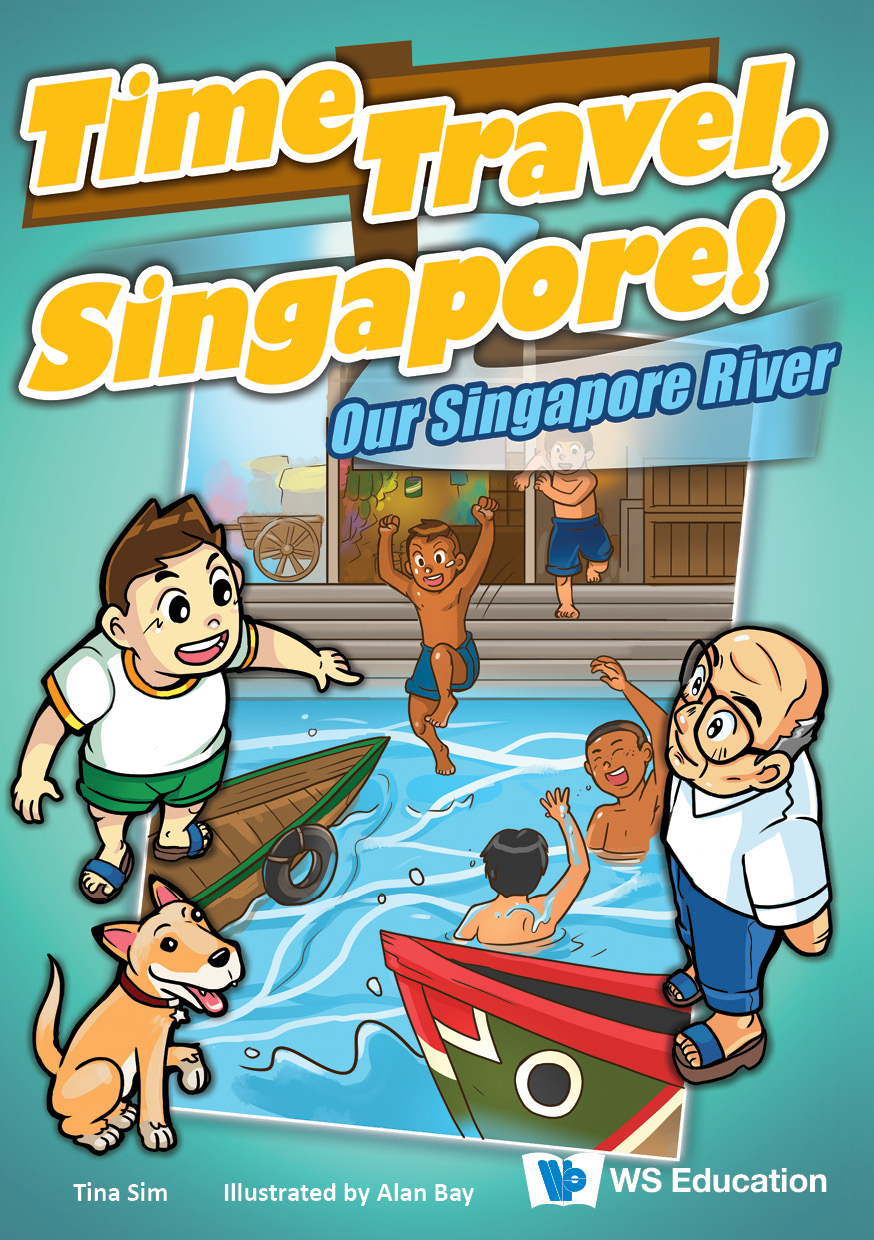
Join Aloysius on his adventures on the river
The Singapore River was a key trading port, serving the region and the world. For over 150 years, ships came from all over the world, attracted by its free port status and other advantages. Traders and immigrants came, attracted by the wealth that could be made. The river was busy, noisy and full of life. Find out more about:
Join Aloysius on his other adventures
Aloysius time travels with Grandpa to an olden Singapore, when Grandpa was a young boy. Aloysius meets many traders who once did a roaring trade on the streets of Singapore. There were washermen, clog makers, letter writers and so many more. Discover how hardworking, resilient, thrifty and imaginative they were! And how they provided invaluable services to their communities. Find out more about: